Alikhani M a,b, Chou MY b, Alikhani M a, Sangsuwon C a, Abdullah F a, Teixeira CC a
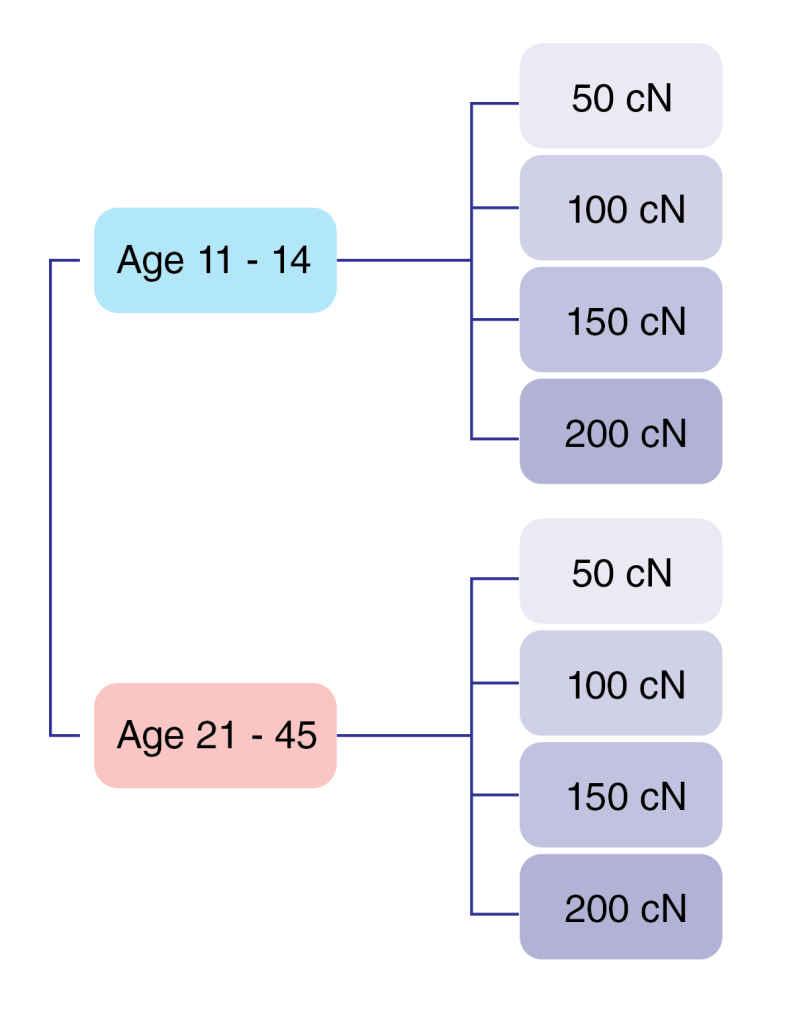
Figure 1. Diagram of the study design and group assignment. Subjects were healthy adolescents aged 11 to 14 and adults aged 21 to 25. One of four force magnitudes (50, 100, 150, or 200 cN) was randomly assigned to each subject in both age groups to retract the canine. Canine retraction was started at least six months after the first premolar extraction.
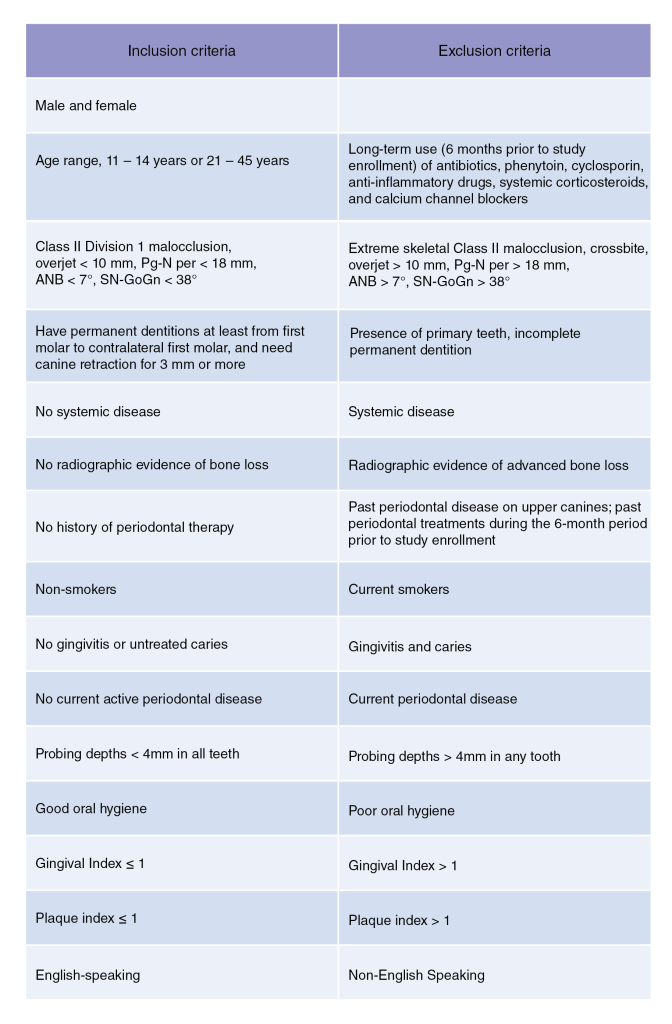
Table I. Inclusion and exclusion criteria of the clinical study
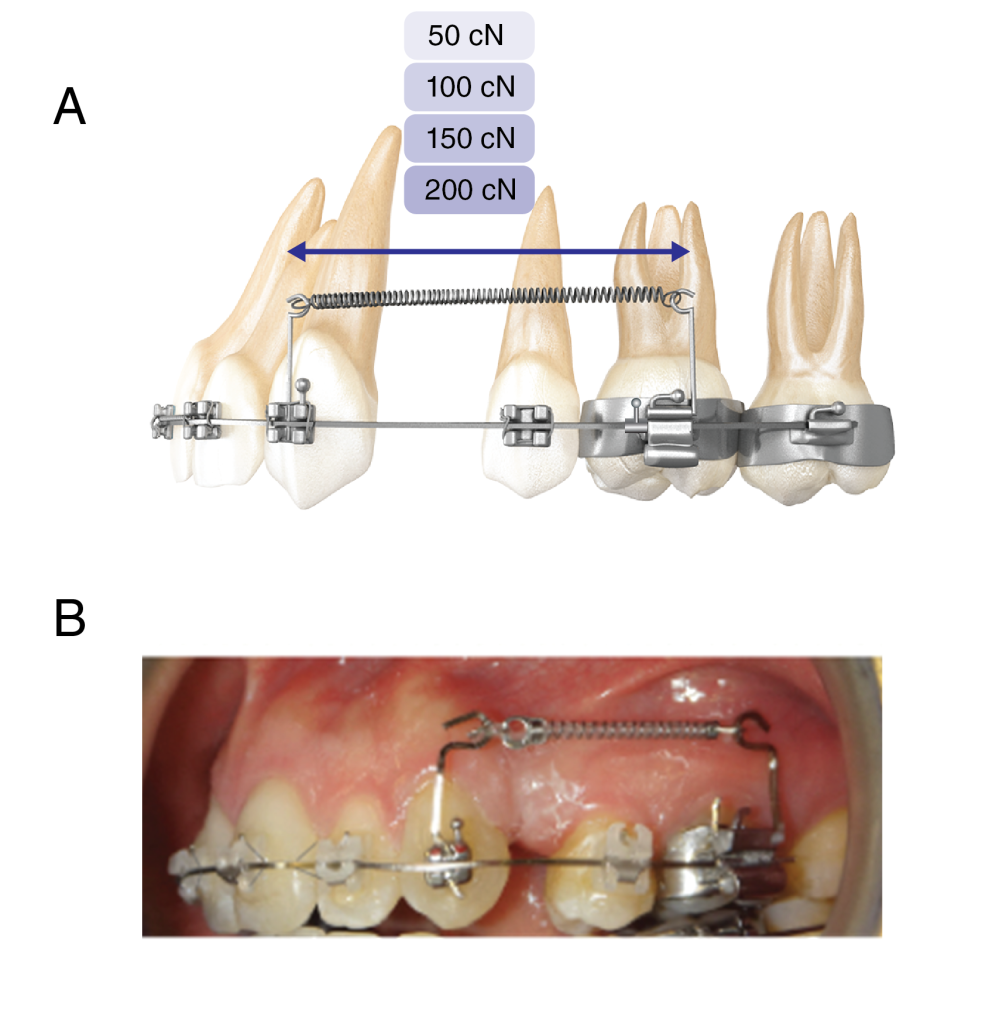
Figure 2. Canine retraction apparatus. Canine retraction was initiated by connecting a calibrated nickel-titanium closing coil springs (GAC International®) which generates a constant force at a selected magnitude from a power arm extending from the accessory tube of the molar bands, to a power arm extending from the ipsilateral canine bracket. The force application was estimated to pass the centers of resistance of both canine and molar.
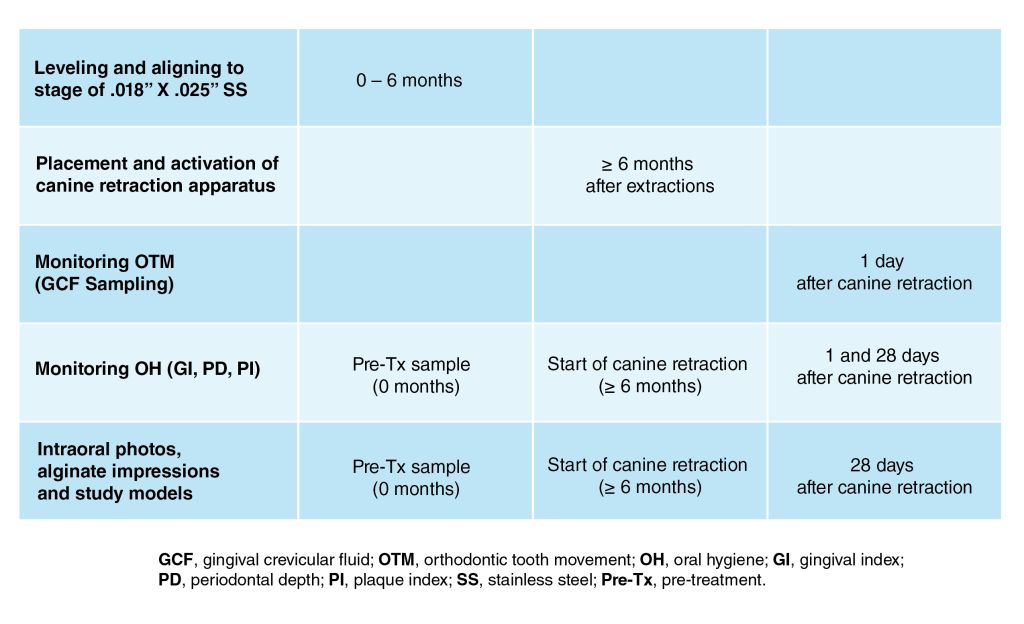
Table 2. Timetable of events during the duration of the clinical study
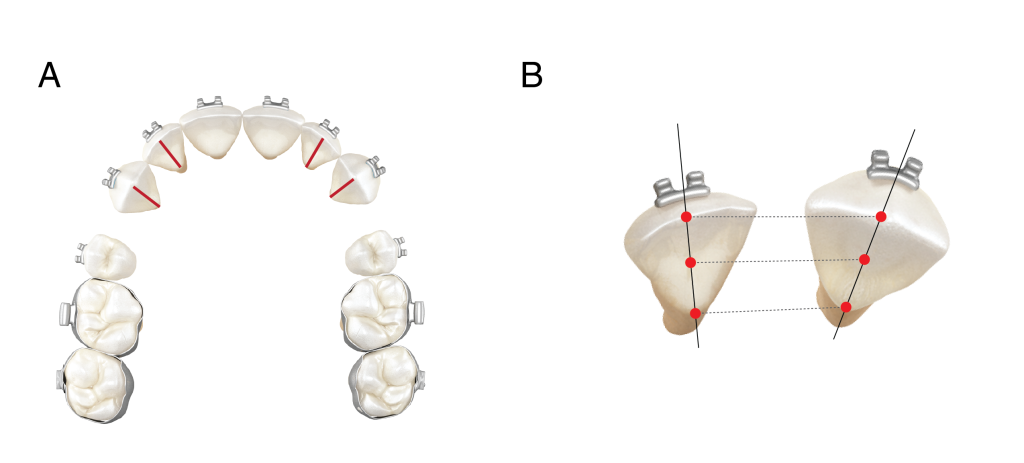
Figure 3. Landmarks used for analyzing rate of tooth movement on study models. Study models were obtained prior to orthodontic treatment, and immediately before and 28 days after initiation of canine retraction. The amount of tooth movement was measured after canine retraction. (A) Lines that divided lateral incisors and canines into equal halves were drawn over the palatal surface of the models (red solid lines). (B) Three points (red dots) along the line were marked at the incisal edge, in the middle of the crown, and at the CEJ or gingival line. A single distance moved measurement for each tooth was determined by averaging the distance moved at the three points.
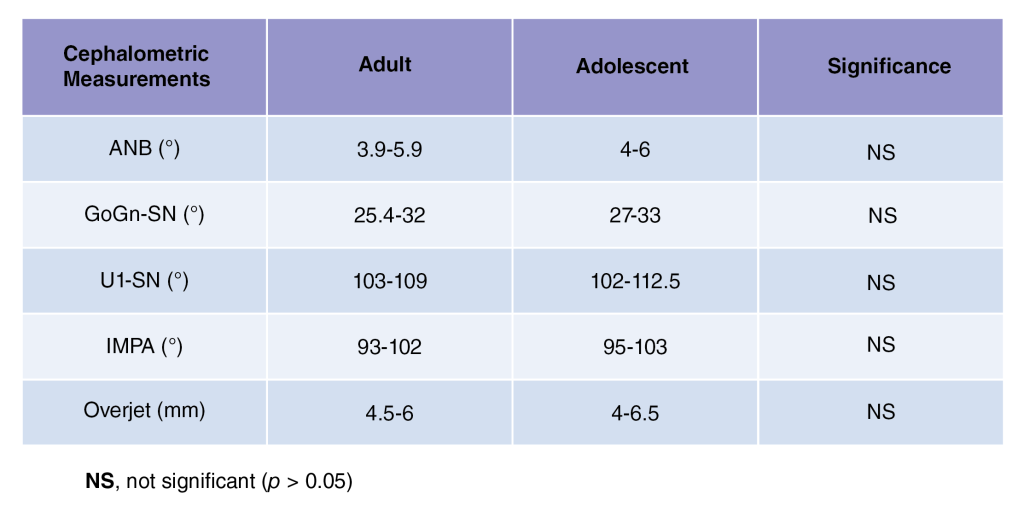
Table 3: Comparison of the morphologic characteristics of the patients in the adolescent and adult groups. No statistically significant differences were observed for the cephalometric measurements listed in Table 3.
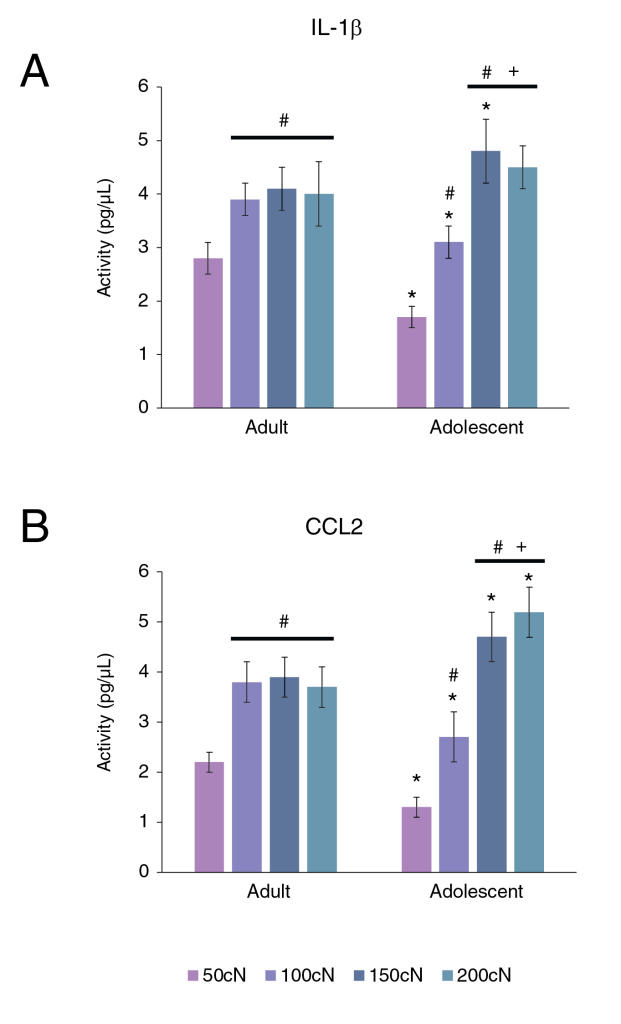
Figure 4. Activity of IL-1β and CCL2 demonstrate different saturation points of biological response in adolescents and adults. GCF was collected from distolabial gingival crevice of maxillary canines one day after activation of canine retraction. Mean concentrations of IL-1β (A) and CCL2 (B) in both age groups were evaluated by protein arrays. Each experiment was repeated 3 times, and the data was expressed as the mean ± standard deviation concentration in picograms per microliter (pg/μL) (#, significantly different from 50-cN group within the same age group; +, significantly different from 100-cN group within the same age group; *, significantly different between adolescents and adults who received the same force magnitude).
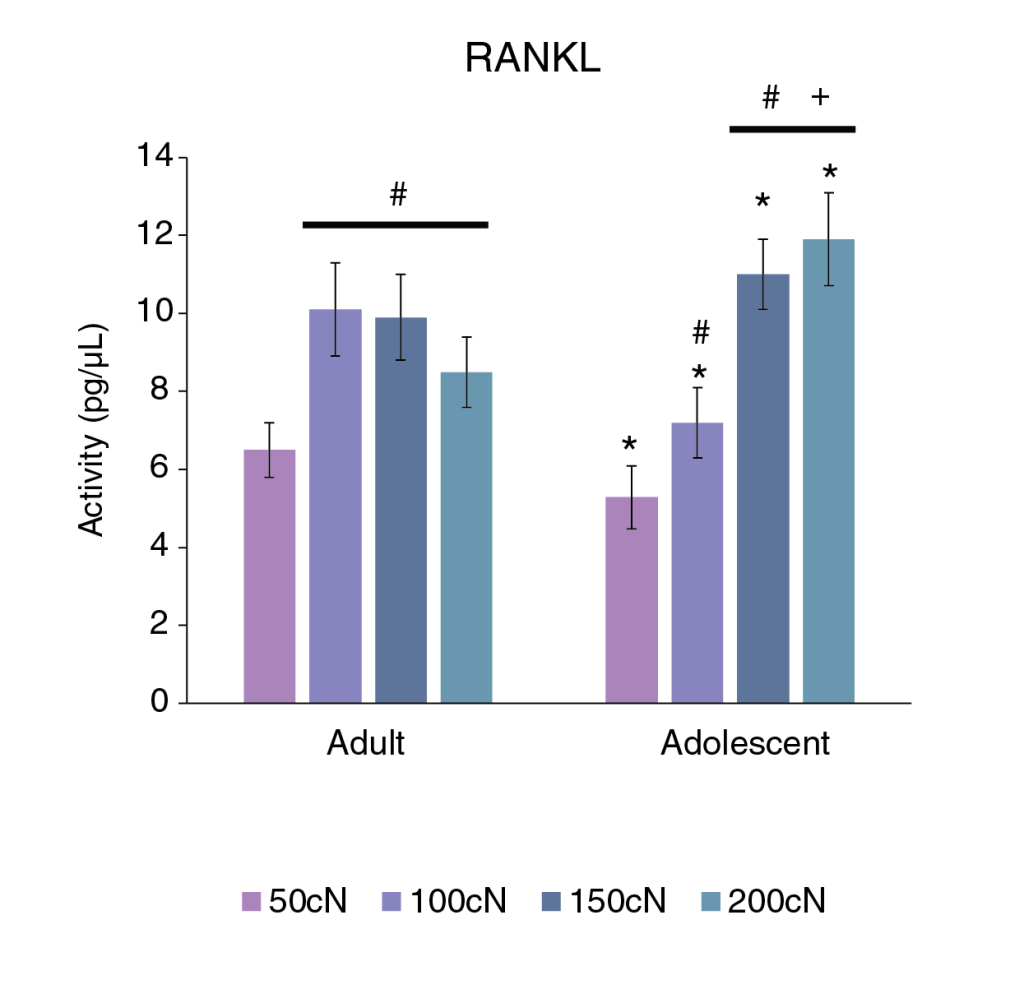
Figure 5. Osteoclast marker, RANKL, shows higher levels in adults in response to same magnitude of orthodontic force. GCF was collected from the distolabial gingival crevice of maxillary canines one day after retraction and mean concentration of RANKL was evaluated by a protein array. Each experiment was repeated 3 times, and the data was expressed as the mean ± standard deviation concentration in picograms per microliter (pg/μL) (#, significantly different from 50cN group within the same age group; +, significantly different from 100cN group within the same age group; *, significantly different between adolescents and adults who received the same force magnitude).
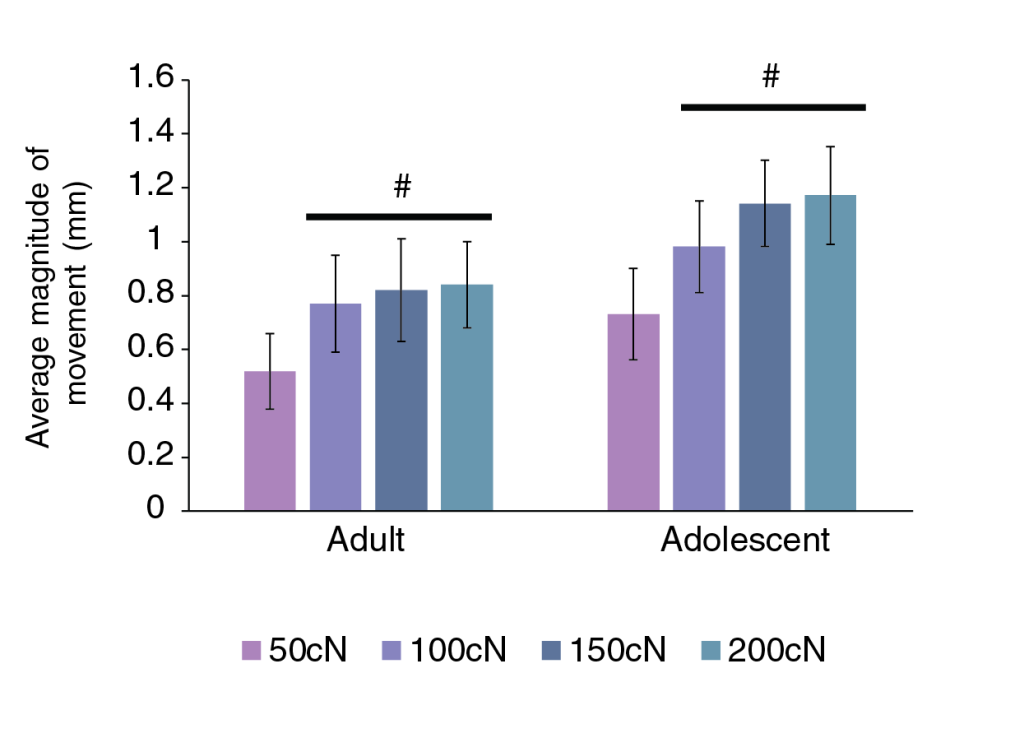
Figure 6. Canine retraction in response to different magnitude of force in adolescents and adults. We measured the amount of tooth movement in millimeters measured at 3 landmarks (Fig. 3) for both adolescent and adult groups after 28 days of canine retraction. In the adolescent group, when compared with 50cN group, the average canine retraction increased significantly in the 150 and 200cN groups. Each value represents the mean ± standard deviation movement of all subjects in their respective age group (#, significantly different from 50cN group within the same age group, p < 0.05).